Archives
- 2026-10
- 2026-09
- 2026-08
- 2026-07
- 2026-06
- 2026-05
- 2026-04
- 2026-03
- 2026-02
- 2026-01
- 2025-12
- 2025-11
- 2025-10
- 2025-09
- 2025-03
- 2025-02
- 2025-01
- 2024-12
- 2024-11
- 2024-10
- 2024-09
- 2024-08
- 2024-07
- 2024-06
- 2024-05
- 2024-04
- 2024-03
- 2024-02
- 2024-01
- 2023-12
- 2023-11
- 2023-10
- 2023-09
- 2023-08
- 2023-07
- 2023-06
- 2023-05
- 2023-04
- 2023-03
- 2023-02
- 2023-01
- 2022-12
- 2022-11
- 2022-10
- 2022-09
- 2022-08
- 2022-07
- 2022-06
- 2022-05
- 2022-04
- 2022-03
- 2022-02
- 2022-01
Based on the extracellular domain structures
2024-08-28
Based on the extracellular domain structures, we can infer that the dimer arrangement of GABAB receptor will undergo substantial changes upon receptor activation (Geng et al., 2013). First, agonist-stimulated closure of GABAB1 VFT would cause an upward rotation of its LB2 domain, coupled with an inw
In an effort to increase antioxidant properties of peptides
2024-08-28
In an effort to increase antioxidant properties of peptides from WP, Le Maux et al. (2016) altered the hydrolysis conditions (pH, enzyme type, reaction time, and temperature). Hydrolysis of WP (81% protein) test samples with papain (EC 3.4.22.2) at a constant pH of 7.0 gave significantly higher ORAC
We made a number of
2024-08-28
We made a number of choices in the original design of our experiments. First, we used only portions of the 5′ and 3′ regulatory elements from S. cerevisiae. The sequences of these regions were known [32] and our goal was to express the Pf-DHFR at low levels. In fact, our choice of only 600 bp of the
Bialaphos sodium salt br Materials and methods br Results an
2024-08-28
Materials and methods Results and discussion Conclusions Acknowledgements Introduction Infections in children aged 0–21 years who reside in long-term care (LTC) facilities are common due to underlying complex medical conditions, use of invasive devices such as urinary catheters and ve
This unsuspected antagonistic interaction of androgen with O
2024-08-28
This unsuspected antagonistic interaction of androgen with OXER1 could therefore explain the effect of plant derived compounds with this ligand-receptor system. For example, wedelolactone, a coumestan found in Eclipta alba (false daisy) and in Wedelia calendulacea that is the major component of ecli
The specific mechanism and neurotoxic A species are yet to
2024-08-28
The specific mechanism and neurotoxic Aβ FRAX486 are yet to be elucidated, however recent studies have provided significant evidence for the amyloid channel hypothesis. These reports have established that relatively small oligomers ( Conflict of interest Acknowledgements This work was financed
KU-60019 A has been reported to decrease
2024-08-28
Aβ has been reported to decrease insulin receptors and impair insulin signaling in neurons, preventing phosphorylation of Akt and glycogen synthase kinase 3β (GSK-3β), downstream of insulin signaling, and to increase phosphorylation of tau protein causing neurofibrillary tangles (Tokutake et al., 20
Recently two distinct small molecule
2024-08-27
Recently, two distinct small-molecule inhibitors of PHGDH were identified using high-throughput screens, both of which inhibit de novo serine biosynthesis and show selective toxicity to cancer N-3-oxo-dodecanoyl-L-Homoserine lactone with high SSP flux [50,51]. The inhibitor NCT-503, which has an IC5
The aldehyde reductase AKR A
2024-08-27

The aldehyde reductase (AKR1A1) and aldose reductase (AKR1B1) belong to aldo-ketoreductase (AKR) superfamily catalyzing the reduction of corresponding aldehydes and ketones involved. Both the closely related enzymes AKR1A1 and AKR1B1 have 65% structural similarity and differ only at the active site.
hedgehog pathway Blocking the action of CREB with the C inhi
2024-08-27
Blocking the action of CREB with the C646 inhibitor together with increasing Akt activation with the SC79 agonist is particularly interesting as it significantly reduced wound closure time from 7 days (which is required for complete closure of control hTECs exposed to DMSO) to only 4 days (when hTEC
Blocking the action of CREB with the C inhibitor
2024-08-27
Blocking the action of CREB with the C646 inhibitor together with increasing Akt activation with the SC79 agonist is particularly interesting as it significantly reduced wound closure time from 7 days (which is required for complete closure of control hTECs exposed to DMSO) to only 4 days (when hTEC
rho kinase inhibitors Voluminous literature about the neuroe
2024-08-27
Voluminous literature about the neuroendocrine mechanism of reproduction and energy regulation has emerged from studies involving mammalian species. The avian infundibular nucleus (equivalent structure to the mammalian arcuate nucleus) consists of two neuronal populations, one of which expresses neu
ADORs accomplish a variety of physiological effects
2024-08-27
ADORs accomplish a variety of physiological effects in different tissues. In neurons, ADORs regulate the release of neurotransmitters such as dopamine and glutamate (Ferré et al., 1992; Fredholm and Dunwiddie, 1988; Ginsborg and Hirst, 1972; Gonçalves et al., 2015; Quarta et al., 2004; Stella et al.
The use of a single well identified molecule
2024-08-27
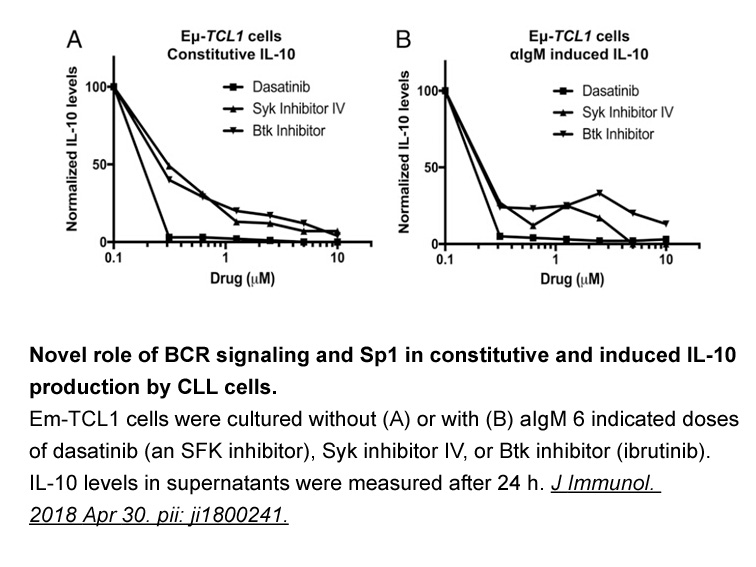
The use of a single well-identified molecule to induce AChR clusters formation can simplify complicated cell manipulation procedures and may provide a more efficient means of developing biological substitutes for functional muscle tissue restoration in vivo. Pharmacological approaches dealing with b
Investigating these possibilities will illuminate whether ce
2024-08-27
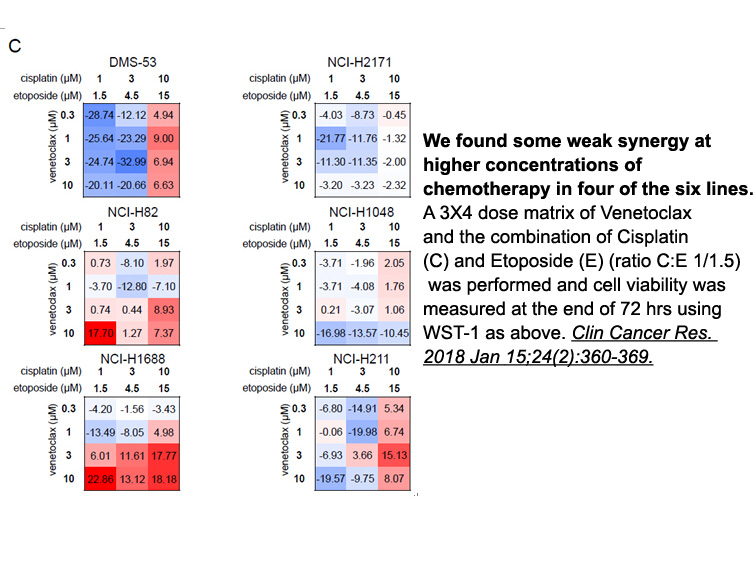
Investigating these possibilities will illuminate whether Flavin adenine dinucleotide possess mechanisms to differentially detect ACLY-generated versus ACSS2-generated acetyl-CoA as well as define the functional relationship between histone acetylation levels and cellular functions and phenotypes.
8657 records 129/578 page Previous Next First page 上5页 126127128129130 下5页 Last page