Archives
- 2026-10
- 2026-09
- 2026-08
- 2026-07
- 2026-06
- 2026-05
- 2026-04
- 2026-03
- 2026-02
- 2026-01
- 2025-12
- 2025-11
- 2025-10
- 2025-09
- 2025-03
- 2025-02
- 2025-01
- 2024-12
- 2024-11
- 2024-10
- 2024-09
- 2024-08
- 2024-07
- 2024-06
- 2024-05
- 2024-04
- 2024-03
- 2024-02
- 2024-01
- 2023-12
- 2023-11
- 2023-10
- 2023-09
- 2023-08
- 2023-07
- 2023-06
- 2023-05
- 2023-04
- 2023-03
- 2023-02
- 2023-01
- 2022-12
- 2022-11
- 2022-10
- 2022-09
- 2022-08
- 2022-07
- 2022-06
- 2022-05
- 2022-04
- 2022-03
- 2022-02
- 2022-01
-
As noted above yeasts particularly
2022-12-13

As noted above, yeasts, particularly S. cerevisiae (Frey and Röhm 1978; Trumbly and Bradley 1983), produce APs, but these are intracellular enzymes located in the vacuolar compartment, with the exception of aminopeptidase II. About 40% of aminopeptidase II activity is detected as external enzyme, li
-
fk866 Based on our findings in this work as well as
2022-12-13

Based on our findings in this work as well as the previous published data in the experimental mice model of RSV infection, we suggest that modulation of 12/15 LOX expression and/or blocking of LOX products such as 12(S)-HETE may represent potential pharmacological approaches to prevent or treat vir
-
Exposure to B a P is an epidemiologically proven cause
2022-12-13

Exposure to B[a]P is an epidemiologically proven cause of lung cancer (Hecht, 2003; Rojas et al., 2004; Alexandrov et al., 2010), and the formation of B[a]PDE-N2-dG adducts is considered to be the critical event in lung tumorigenesis by B[a]P. On the other hand, there is evidence suggesting that the
-
br Methods br Results br Discussion First the
2022-12-12

Methods Results Discussion First, the k145 sale isolated from non-PD TA tissue and PD plaque tissue were characterized. The results showed that both cell groups were positive for vimentin and negative for desmin suggesting that these cells were fibroblasts. It was also observed that treatm
-
Extracellular ATP and downstream purinergic signaling have a
2022-12-12
Extracellular ATP and downstream purinergic signaling have also been proposed to contribute to dental pulp tissue healing and dentin regeneration. Mechanical and thermal stimulation of external dentin can induce ATP release in dental pulp through pannexins [13]. Cold stimulation was also reported to
-
br LOX in pancreatic cancer
2022-12-12
5-LOX in pancreatic cancer 5-LOX is a key player in pancreatic cancer (PC) progression. The upregulation of 5-LOX mRNA has been observed in pancreatic adenocarcinoma (PDAC) and also in neoplastic pancreatic tissues (Kennedy et al., 2003). Higher levels of 5-LOX transcripts (messengers) are presen
-
Our previous work fails to show
2022-12-12

Our previous work fails to show any maternal effect with blockade of 5-HT2A receptor, as acute and repeated treatment of MDL100907 does not alter maternal behavior at the behaviorally active doses (Chen et al., 2014). In the present study, MDL100907 pretreatment attenuated the maternal disruptive ef
-
br Materials and methods br Results br Discussion br Author
2022-12-12
Materials and methods Results Discussion Author contributions JH purified protein, performed vanadate inhibition experiments, crystallized, collected data, determined and refined the ATX-VO5 structure, analysed all the structures, prepared the displayed items and supervised ALHE; WJK con
-
br Funding This study was supported by
2022-12-12
Funding This study was supported by Grant UM1-CA186690 (NCI-CTEP) and R01CA204173 (CJB). This project used the UPCI Cancer Pharmacokinetics and Pharmacodynamics Facility (CPPF) and was supported in part by award P30-CA47904 and R50CA211241. Introduction Despite the efficacy of platinum based
-
The mechanism governing how mechanotransduction signals regu
2022-12-12
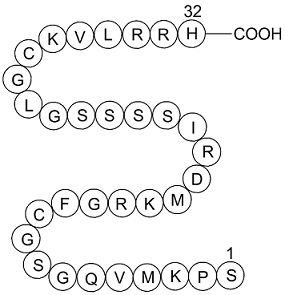
The mechanism governing how mechanotransduction signals regulate a number of genes involved in cartilage hemostasis remains unclarified. Mitogen-activated protein kinase (MAPK) pathways are activated by static and dynamic compression of cartilage (31 32). c-Fos/AP-1 is downstream of the MAPK pathway
-
Sorafenib was the first small RTK inhibitor drug
2022-12-12
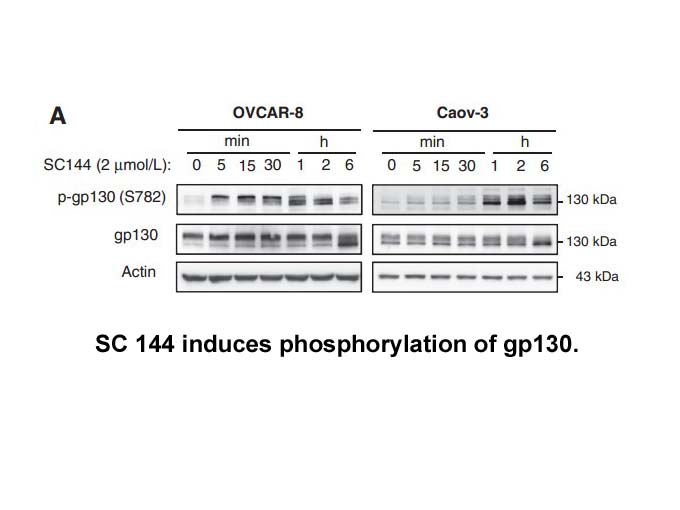
Sorafenib was the first small RTK inhibitor drug to be developed and was initially approved against renal cell carcinoma, then against hepatocellular carcinoma (HCC) and more recently for differentiated thyroid treatment [111]. Sunitinib soon followed, being approved for gastrointestinal stromal tum
-
Previous studies have thus demonstrated
2022-12-12
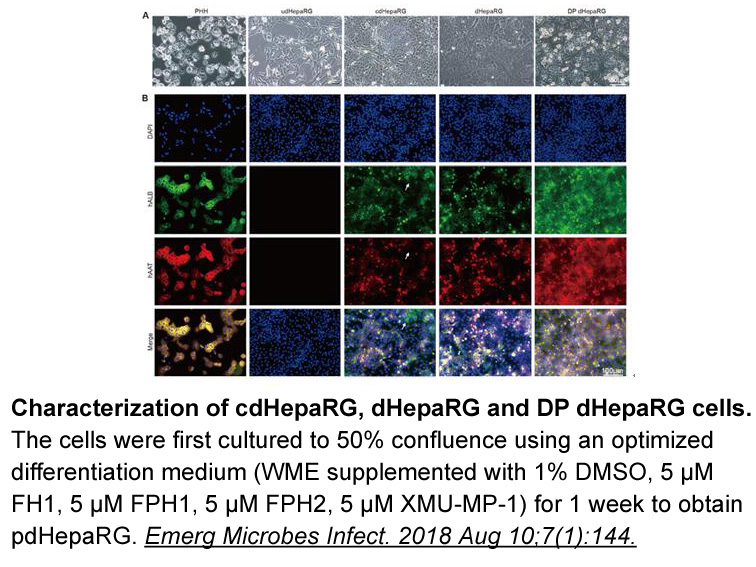
Previous studies have thus demonstrated that AR activation generally correlates with the promotion of urothelial carcinogenesis and cancer growth. In this article, we review available data suggesting their modulation through the AR pathway as well as correlations of AR signals with sensitivity to co
-
Sixth significant progress has been made during
2022-12-12
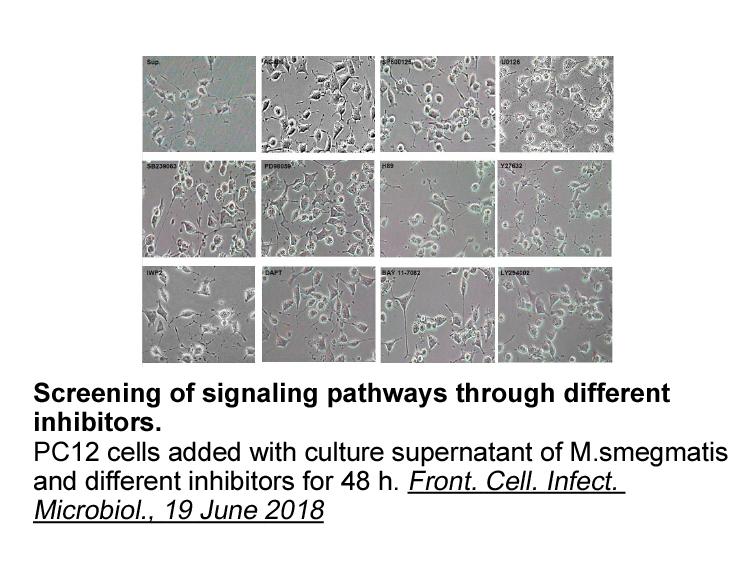
Sixth, significant progress has been made during the last few years regarding the molecular mechanisms underlying the activation of AMPK and this should aid to develop more potent and specific compounds. Information from crystallographic structures combined with computer-based drug design hold promi
-
In the present study AP B
2022-12-12
In the present study, AP31-B preferentially released hydrophobic resveratrol mg such as leucine and alanine from N-terminal of peptide (Fig. 4). The debittering ability of AP31-B seemed to depend on such substrate specificity, but additional tests against other hydrophobic amino acids are needed to
-
Recent genome wide association studies have indicated SORL a
2022-12-12
Recent genome-wide association studies have indicated SORL1 as a risk factor for AD (Meng et al., 2007, Rogaeva et al., 2007, Wen et al., 2013). SORL1, is expressed in neurons (Yin et al., 2015) and also regulates APP traffic from the cell membrane to the Golgi apparatus. A reduction in its expressi
8653 records 413/577 page Previous Next First page 上5页 411412413414415 下5页 Last page